Why Positano Shapes the Design
Positano is a small town built vertically into the Amalfi Coast cliffside, where space is compressed and detail is everything. The fashion culture that has grown around Positano — Moda Positano, the resort-wear tradition dating to the 1950s — is characterised by precise colour, artisan craft, and an instinctive sense of proportion. Designing bag charms in this environment means working inside a visual culture that has very little tolerance for objects that feel cheap or arbitrary. A poorly proportioned charm, or one with inconsistent hardware, looks wrong against the town's stone stairs and coloured walls as quickly as it would look wrong on a well-made bag. This context shapes Caryina's standards more directly than any design brief.
Italian Craft and the Caryina Standard
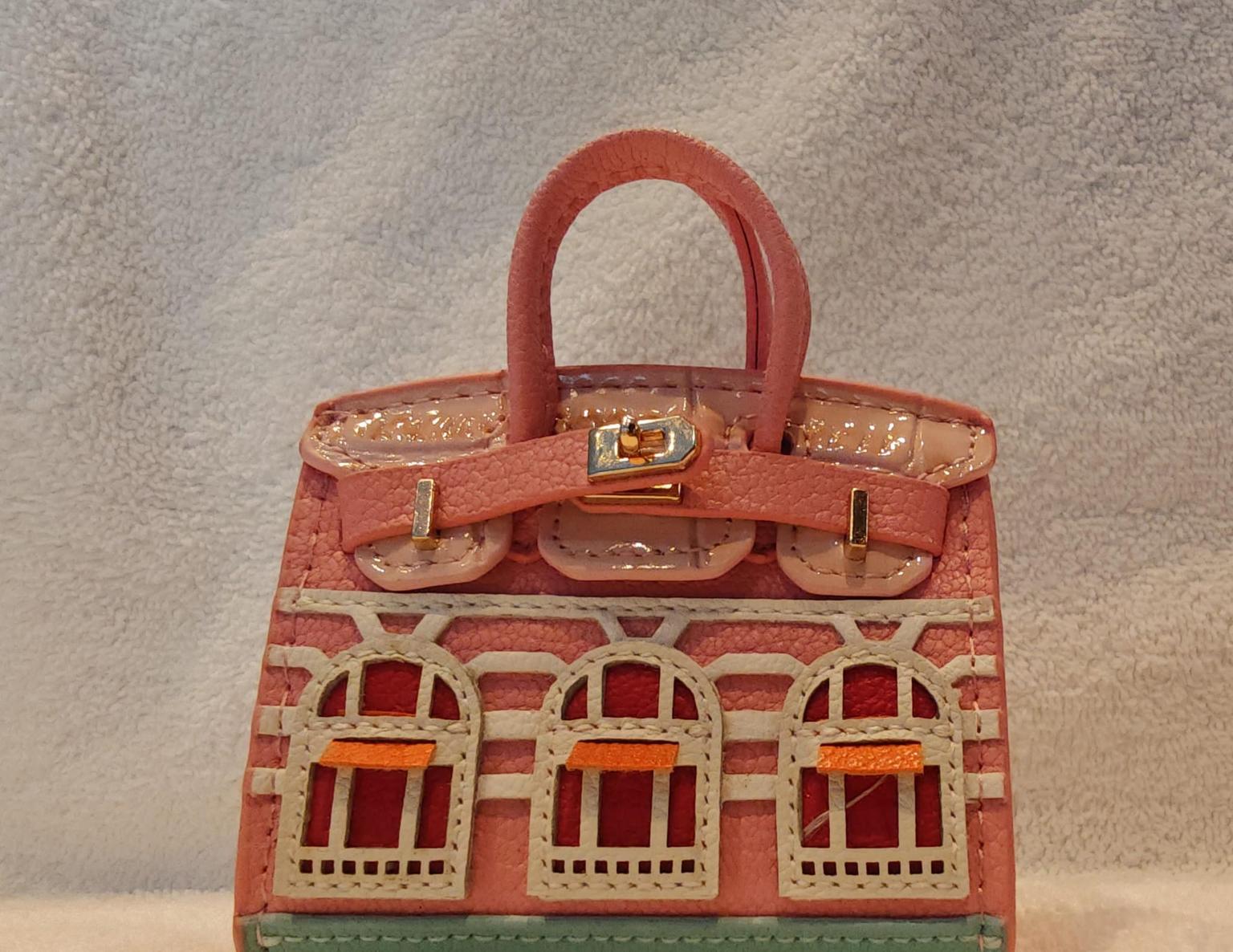
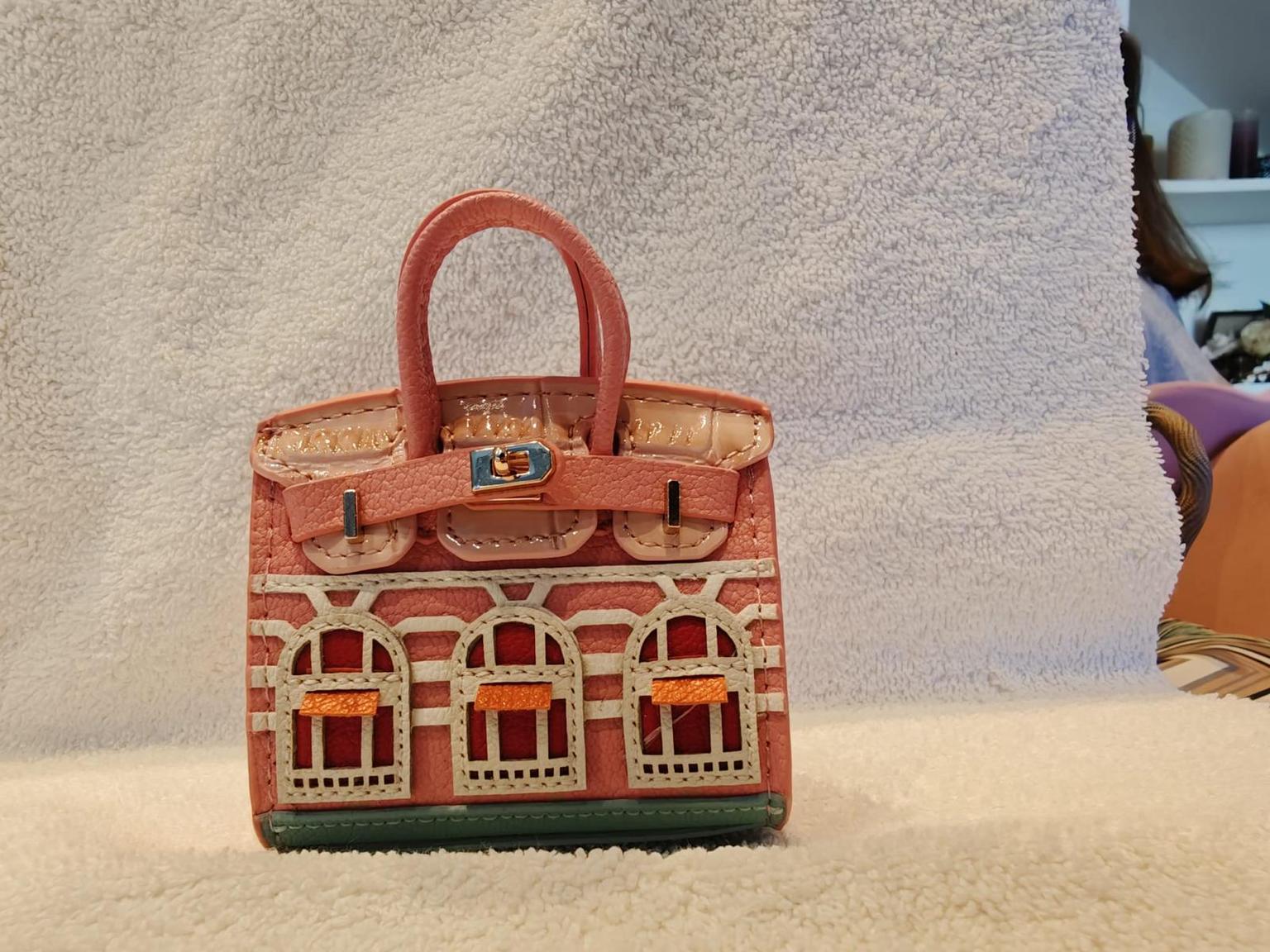
For Caryina, designing in Italy means developing the colour story, miniature silhouette, and facade-inspired identity within the visual context of the Amalfi Coast. It is a design-origin statement, not a manufacturing-origin or material claim. Product composition, dimensions, attachment guidance, and manufacturing information are published separately only from their own approved records.
What Designed in Positano Means for the Product
For a Caryina bag charm, 'designed in Positano' means that the colour story, miniature silhouette, and facade-inspired identity were resolved within that context. The phrase does not imply where the product was manufactured. Caryina separates design origin from material, manufacturing, and physical-performance claims so each can be checked on its own evidence.
A Small Brand with One Standard
Caryina is a small brand. The collection is narrow by design — a few silhouettes, a considered set of colourways, and one measure of quality. Working at small scale in a town where artisan standards are visible and taken seriously is both a constraint and an advantage. It means every piece is assessed against the same reference point: would this hold up in the context it was designed in? For a bag charm meant to sit on a well-made handbag and be seen every day, that is the right question to ask.